
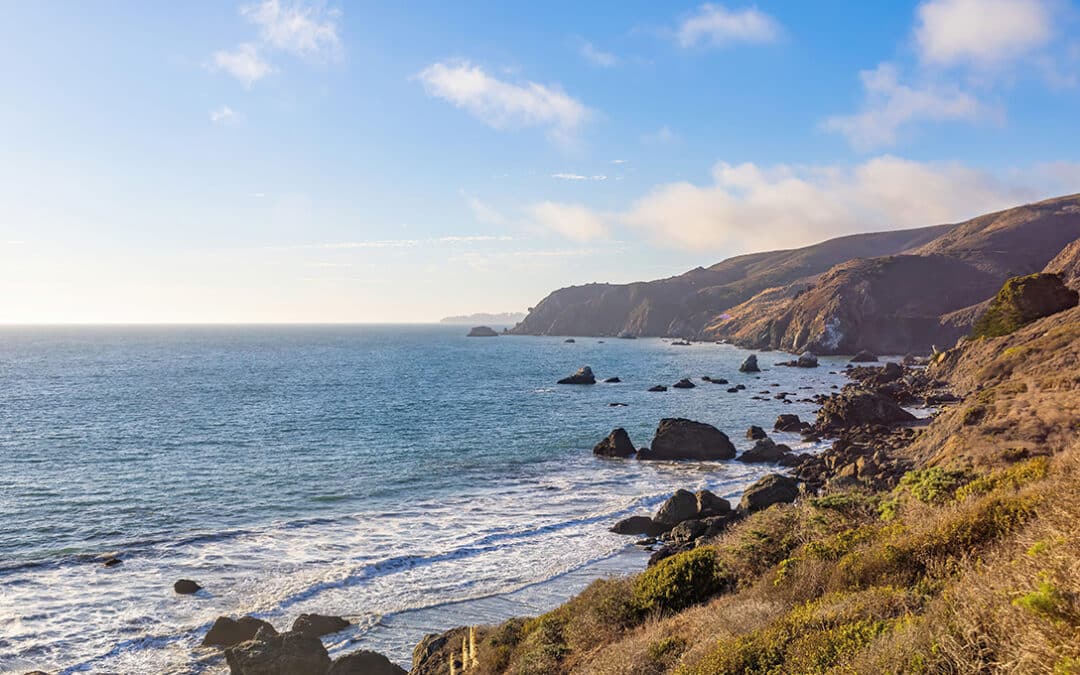
There’s a reason the Sonoma Coast never feels fully tamed. Maybe it’s the fog that rolls in without warning, swallowing hills and softening the horizon. Or the wind that can turn a calm morning into a jacket-and-hood kind of afternoon. Maybe it’s the cliffs, the pounding surf, or those stretches of Highway 1 where you round a bend, and the Pacific suddenly fills the whole view.
Whatever it is, the coast around Bodega Bay has resisted getting too polished. That’s a big part of its charm.
The Pacific Is in Charge Here
The ocean along the Sonoma Coast is beautiful, and it’s powerful. Unlike the protected waters of San Francisco Bay, this coastline faces the open Pacific. Waves travel long distances before they meet the rocky headlands, coves, and beaches of Northern California. The result is dramatic surf, strong currents, and conditions that can change fast.
Stand on Bodega Head on a windy day, and you can feel the force of the Pacific. That same power is why this is a coast to admire with a little respect. Calm-looking water can be deceptive. Sneaker waves and strong currents are part of life here.
The Fog Is Part of the Landscape
Some visitors arrive expecting endless California sunshine and are surprised to find Bodega Bay wrapped in fog. But the fog isn’t harsh weather. It’s part of what makes this place itself.
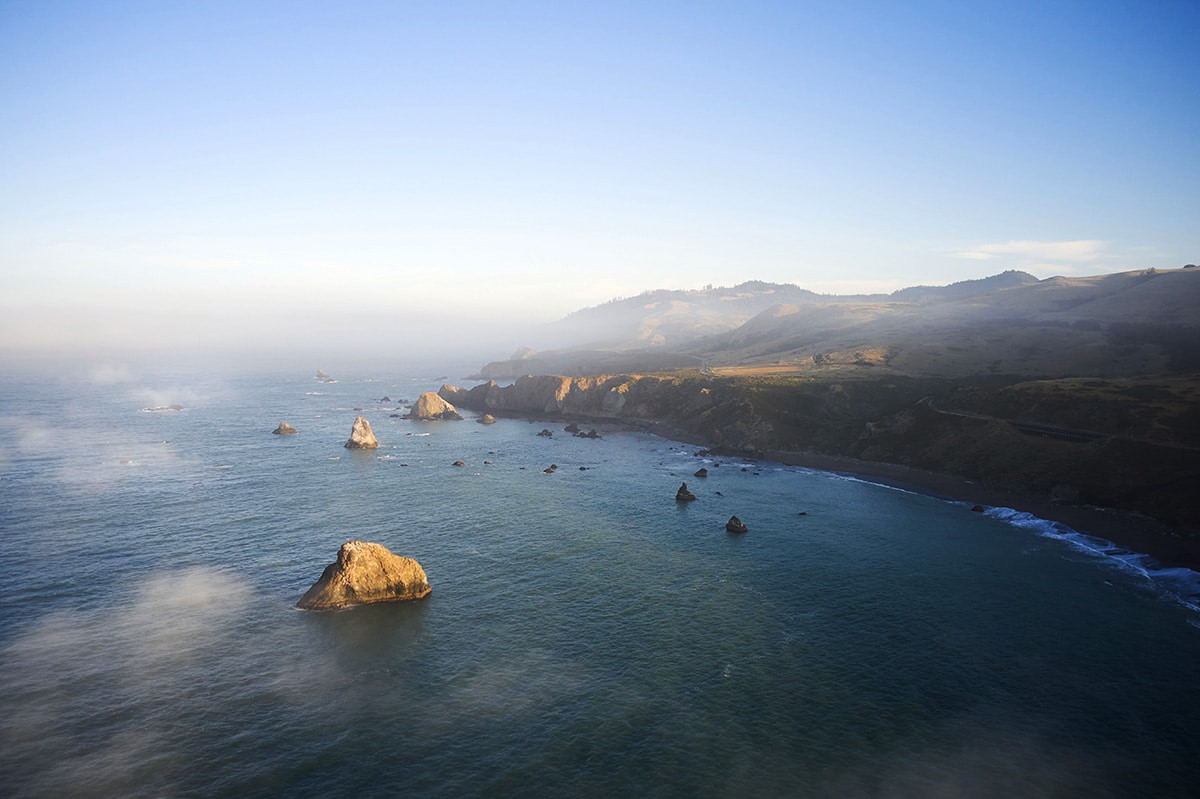
Cold Pacific water creates a cool marine layer that often drifts inland, especially in summer. It gives the coast its moody beauty and helps sustain the grasses, wildflowers, forests, and nearby farmland. On some mornings, Bodega Head nearly disappears. A few hours later, the fog lifts and there’s blue sky and sparkling water. Then it might come back again. That’s Bodega Bay.
The Land Itself Is Restless
There’s another reason the landscape here looks so dramatic: geology. The San Andreas Fault runs through this part of coastal California, and the land around Bodega Bay tells a fascinating geological story. Bodega Head sits on the Pacific Plate, while land just across the fault lies on the North American Plate.
Over millions of years, movement along the fault, plus erosion from wind and waves, has helped shape the headlands, rocky shoreline, and unusual formations we see today. It’s a landscape that is still changing.
Wildlife Likes It Wild, Too
The undeveloped coastline provides habitat for an extraordinary variety of wildlife. Depending on the season, you might see migrating gray whales offshore, harbor seals resting near the water, pelicans gliding just above the waves, hawks circling the hillsides, and shorebirds working the tidal flats.
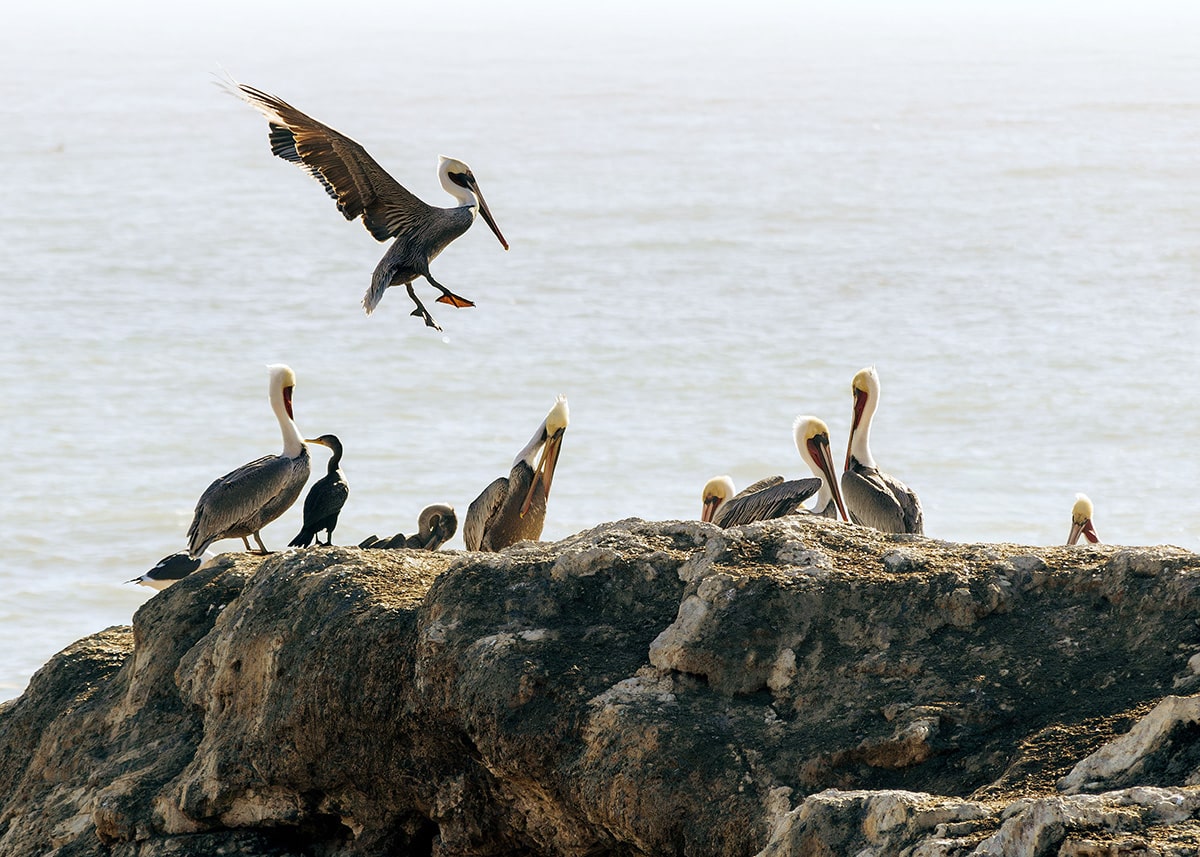
Bodega Bay is also part of an enormously productive marine environment. Cold, nutrient-rich ocean water supports everything from tiny organisms to fish, seabirds, and whales. Sometimes the best wildlife experience is as simple as finding a quiet spot, sitting down, and watching.
Much of the Coast Was Allowed to Stay a Coast
The most important reason the Sonoma Coast still feels wild is surprisingly simple: much of it wasn’t built over. Large stretches of shoreline are protected as parks, beaches, and open space. Instead of resorts lining every bluff, there are windswept trails, grazing land, rocky coves, and beaches where you can walk quite a distance without seeing many other people.
Drive north from Bodega Bay and civilization seems to fall away quickly. That sense of openness has become increasingly rare along California’s coastline.
And That’s Why We Love It
Bodega Bay isn’t always warm. It isn’t always sunny. The wind can howl, the fog can arrive unexpectedly, and the Pacific doesn’t necessarily cooperate with your plans. But that’s the point. The Sonoma Coast hasn’t been tamed for us. You come here and adjust to it.
Bring a jacket. Walk slowly. Watch the waves. Listen to the wind. And if the fog rolls in, don’t be too disappointed. You may see the Sonoma Coast at its absolute best.
