
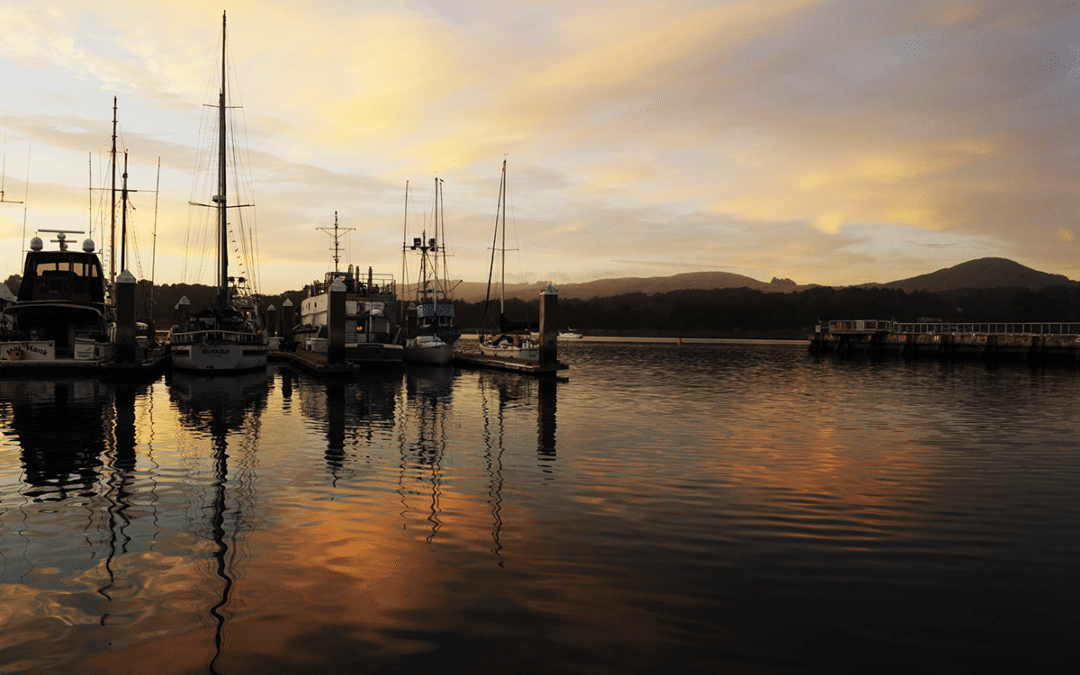
If you’ve ever scrolled through travel photography and paused on a rugged coastline draped in fog, jagged sea stacks rising from churning surf, or golden hills rolling down to a glittering bay, there’s a good chance you were looking at the Sonoma Coast. And at the heart of it all sits Bodega Bay, a small fishing village that punches well above its weight when it comes to photographic beauty.
Whether you’re a seasoned landscape photographer hunting for your next portfolio piece or a hobbyist with a smartphone and a sense of wonder, this guide will help you make the most of every shot on one of California’s most visually stunning stretches of coastline.
Why Bodega Bay Is a Photographer’s Dream
The Sonoma Coast is not polished or manicured. It’s raw, moody, and unpredictable, and that’s exactly what makes it so compelling to photograph. The coastline shifts dramatically from sheltered harbor to open ocean bluffs within just a few miles. Marine layer rolls in and burns off at its own pace. Tides expose hidden tidepools and sea caves. Wildlife appears without warning. The light here, especially in the early morning and late afternoon, is soft and diffused in a way that flatters every subject.
Add a charming harbor full of working fishing boats, wildflower-covered headlands, and the kind of dramatic sky that makes every photo look like a film still, and you have a destination that rewards photographers at every skill level.
Best Locations to Photograph
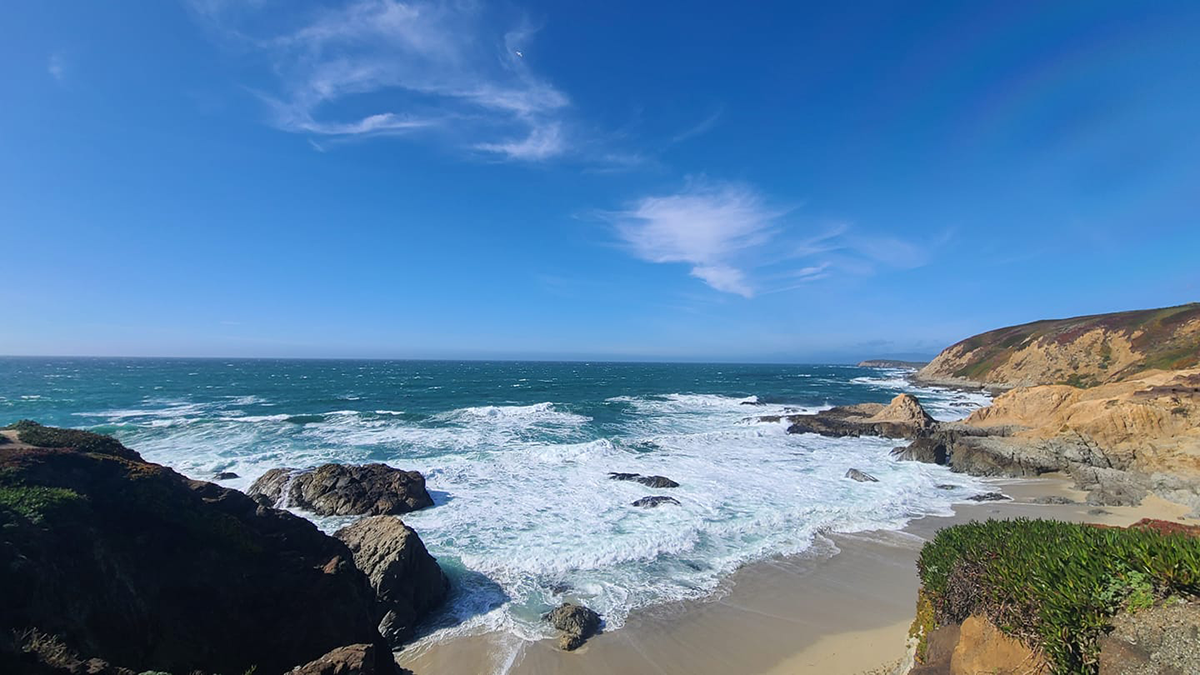
This is the crown jewel. Bodega Head is a rocky promontory that juts out into the Pacific, offering 360-degree views of the ocean, the bay, and the surrounding coastline. The bluff trails offer varied views, with rocky formations and crashing waves creating striking foregrounds.
Visit this spot for stunning ocean views, opportunities to photograph whales as gray whales migrate close to the headland, and expansive landscape shots. Sunrise and sunset both deliver extraordinary light here, though the morning fog can add a mystical quality that’s hard to beat.
Best times: Sunrise for moody fog shots, golden hour before sunset for warm coastal tones.
Just south of the harbor, Doran Beach is a long, curved spit of sand that separates Bodega Bay from the open coast. It’s perfect for capturing the contrast between the calm, reflective waters of the bay on one side and the more active surf on the other. The beach is wide and uncrowded, giving you plenty of room to work compositions without other people in your frame.
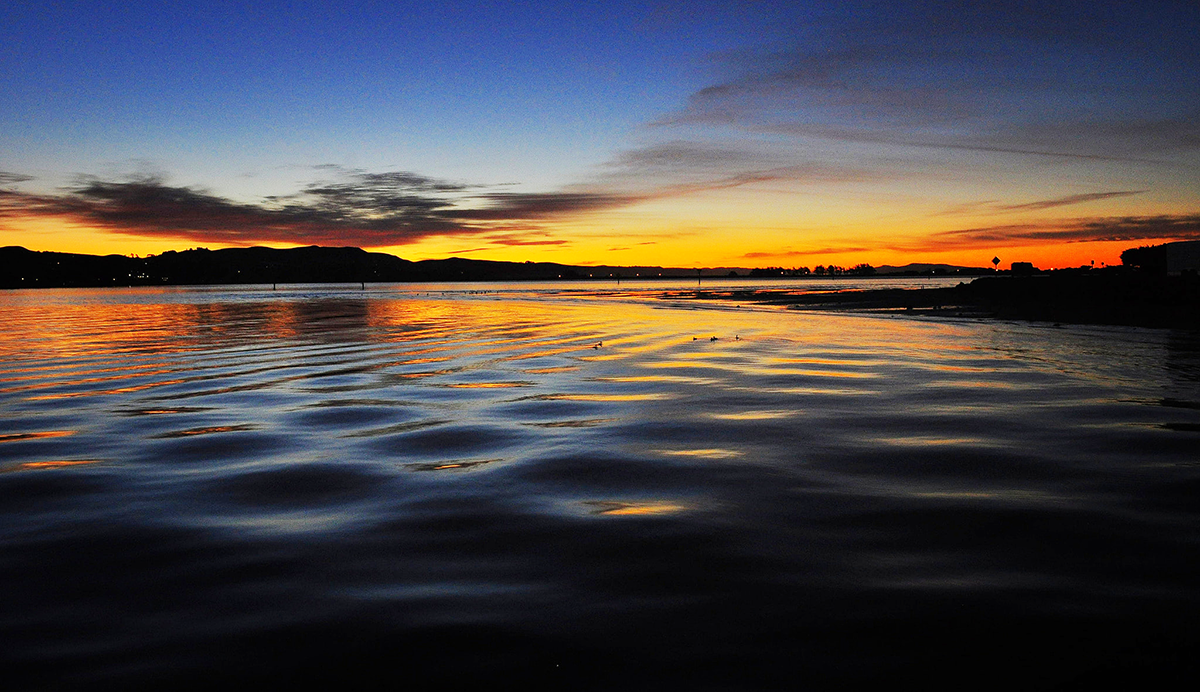
At low tide, the wet sand creates mirror-like reflections of the sky that are especially striking during sunrise or when the clouds are dramatic. The kelp and driftwood scattered along the shoreline offer natural framing elements.
Best times: Low tide at sunrise for reflections, late afternoon for warm side-lighting.
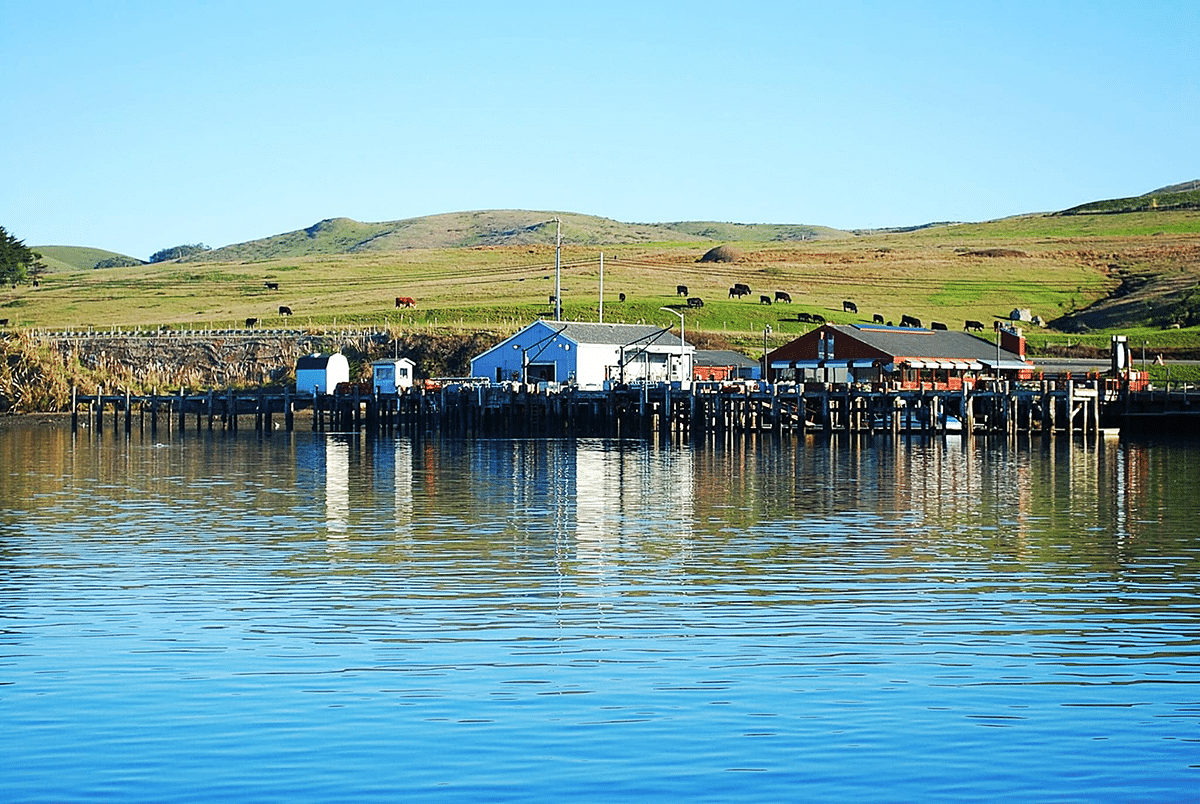
Don’t overlook the harbor itself. The working waterfront has a gritty, authentic character that rewards documentary-style photography. Weathered fishing boats, coiled ropes, stacked crab traps, and sun-worn wooden docks tell the story of Bodega Bay’s identity as a working fishing village. In the early morning, before the day’s activity picks up, you can capture a quiet stillness that feels almost timeless.
The harbor also makes an excellent location for bird photography. Brown pelicans, great blue herons, snowy egrets, and cormorants congregate here regularly, often perching on boats or pilings within easy shooting distance.
Best times: Early morning before the boats head out, late afternoon when the fleet returns.
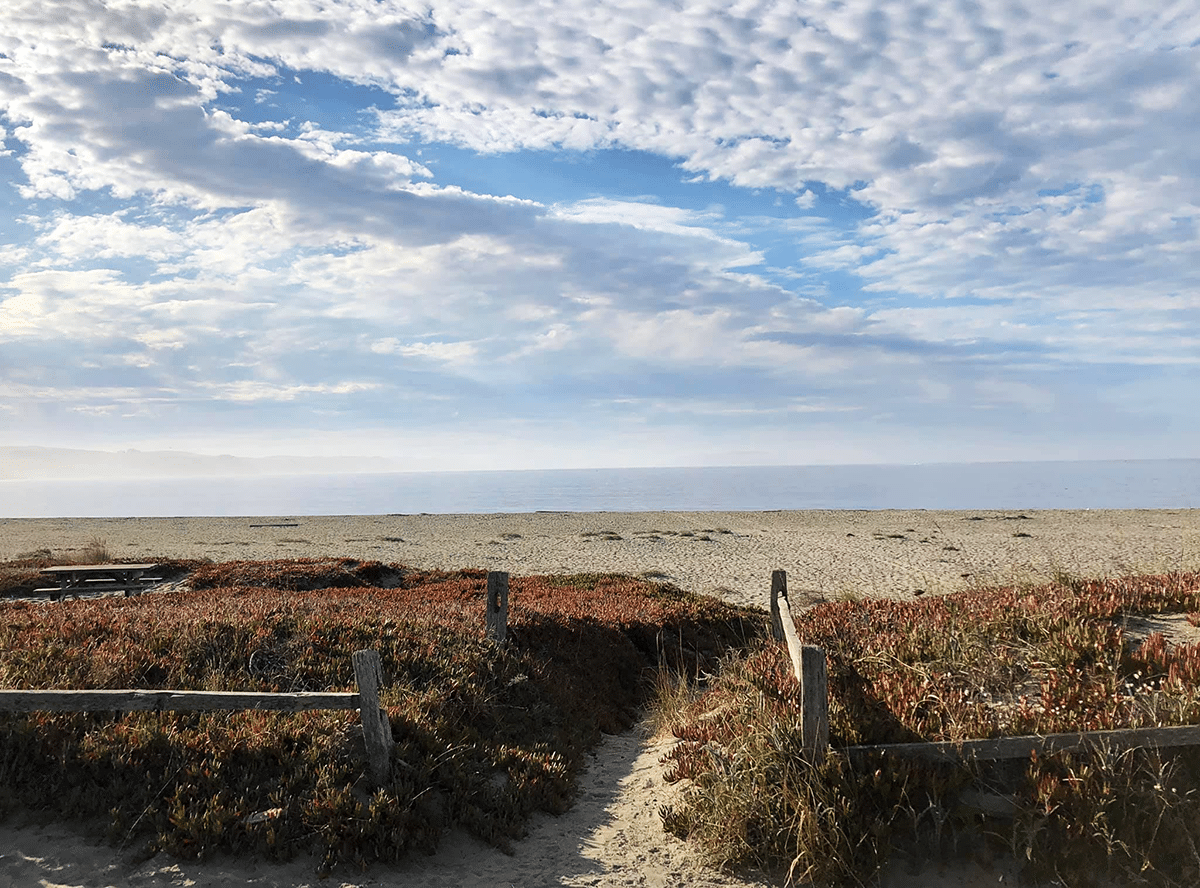
A few miles north of the harbor, Salmon Creek Beach is one of the most expansive and photogenic beaches on the Sonoma Coast. The beach stretches for two miles, backed by low dunes and punctuated by a small lagoon where Salmon Creek meets the sea.
The wide-open beach gives you unobstructed views in every direction, making it ideal for seascape photography, long exposures of the surf, and capturing the drama of incoming storm systems. The dunes provide a softer, warmer foreground compared to the rocky headlands further south.
Best times: Any time, though sunset is especially stunning.
The Kortum Trail runs along the bluffs for several miles, connecting a series of viewpoints that look out over sea stacks, arches, and pocket beaches that are inaccessible by other means. This is where you’ll find the Sonoma Coast’s most dramatic coastal geology laid out before you like a natural gallery.
Because the trail runs north-south, you’ll have excellent morning light on the water when shooting south and good afternoon light when shooting north. The wildflowers along the trail bloom brilliantly in spring, adding color and texture to your foreground compositions.
Best times: Spring for wildflowers, any clear morning for sea stacks and bluff views.
Lighting and Weather Tips
The Sonoma Coast is famously unpredictable and learning to work with its weather rather than against it will transform your photography.
Fog is your friend. The marine layer that rolls in overnight and lingers into the morning creates a diffused, even light that’s ideal for portraits and intimate landscape details. It also creates a sense of depth and atmosphere in wide shots that are impossible to achieve in flat, sunny conditions. Keep an eye on marine layer forecasts and plan to be on location before it lifts.
Overcast days are underrated. Cloudy skies act like a giant soft box, eliminating harsh shadows and allowing you to shoot comfortably throughout the day. The saturated greens of the headlands and the deep blues of the ocean often look better under overcast light than in direct sun.
Storm light is extraordinary. When a storm system is moving through, the gaps in the clouds can produce shafts of light, dramatic gradients, and rainbows that you won’t find on a sunny day. Some of the most memorable coastal photographs are taken in the minutes before or after a storm.
Golden hour is gold for a reason. The hour after sunrise and the hour before sunset produce warm, directional light that sculpts the landscape beautifully. On the Sonoma Coast, this light reflects off the wet rocks and sand in a way that adds another layer of warmth to your shots.
Wildlife Photography Opportunities
Bodega Bay and the surrounding coast are exceptional for wildlife photography year-round.
Gray whales migrate past Bodega Head from December through April, with the southward migration peaking in January and the northward migration, when mothers travel with calves, peaking in March and April. A telephoto lens in the 300-500mm range will serve you well here.
Harbor seals haul out on the rocks near Bodega Head and at several other locations along the coast. They’re most active in the early morning and are tolerant of observers who approach slowly and stay at a respectable distance.
The Bodega Bay area is also part of the Pacific Flyway, making it a prime birding and bird photography destination. The harbor, the lagoon at Salmon Creek, and the open grasslands around Bodega Head all attract a remarkable diversity of species.
Practical Tips for Your Visit
Arrive early. The best light and the most dramatic conditions always occur in the first two hours after sunrise. Parking at popular spots like Bodega Head fills up quickly on weekends, and arriving early means you’ll have the location to yourself.
Check the tides. Low tide exposes tidepools, sea caves, and rock formations that disappear underwater at high tide. The California Coastal Commission website and most tide apps will give you accurate local tide tables.
Dress in layers. Even on a warm day, the wind on the bluffs can be cold and strong. A jacket you can tie around your waist is always worth bringing.
Use a UV or polarizing filter. The coastal haze and glare off the water can reduce contrast and color saturation in your images. A polarizing filter makes a dramatic difference when shooting the ocean and tidepools.
Be respectful of wildlife and habitat. Stay on marked trails on the headlands, give wildlife plenty of space, and never disturb nesting birds or hauled-out seals. The best wildlife photography is always done without causing stress to your subjects.
Getting There
Bodega Bay is located on Highway 1, approximately sixty-five miles north of San Francisco and about twenty miles south of Jenner. The drive-up Highway 1 from the Bay Area is itself a photographic experience, winding along some of the most scenic coastal terrain in California.
If you’re planning a photography-focused trip, consider staying overnight in Bodega Bay so you can be in position for both sunrise and sunset without the long drive. Several inns and vacation rentals are available in the village, and there is camping at Bodega Dunes, just a short walk from the beach.
Final Thoughts
The Sonoma Coast rewards patience and presence. The photographers who come away with their best work here are usually the ones who slow down, stay longer than planned, and let the landscape reveal itself on its own terms. Come with a plan, but stay open to surprise. The fog might not lift the way you hoped, but the heron that lands six feet away from you on the harbor dock will more than make up for it.
Bodega Bay is not just a place to take pictures. It’s a place that teaches you to see.
You are welcome to submit your best Bodega Bay area photographs to our Facebook page.
