
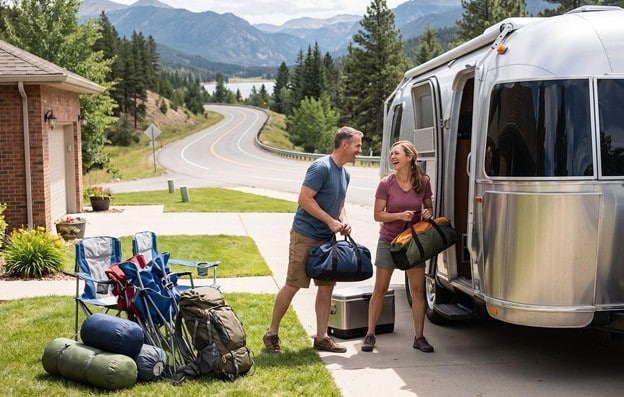
You might have packed your bags, found the quickest route, and booked your accommodation, but once you hit the road, the sense of dread creeps in. You forgot your phone in a rush, overpacked your trailer, or ran out of gas mid-trip. Maybe your trailer tires failed since you didn’t check their age, or you thought all would be fine and a landslide cut you off from your destination.
It’s often the small, overlooked details that compound and change the course of your journey. Let’s see what you can do to tip the scales in your favor.
Leaving Home in a Rush
Whether it’s nature exploration, seaside relaxation, or a wine tasting adventure you’re setting out on, too much excitement can lead you to make bad decisions.
Preparing for a trip is the basis for its success. If it’s done improperly or in a last-minute rush, things don’t develop as we hope and want. That light on your vehicle’s display signaling a light, oil, or some other issue shouldn’t be ignored or delayed; waiting until it becomes a safety issue is a risk not worth taking.
A “we’ll deal with it along the way” attitude doesn’t help either. Why wait for your vehicle or trailer tires to fail before addressing the issue? A visit to a mechanic or a five-minute check makes all the difference.
These issues go beyond your vehicle. Rushing to get things done the night before a trip can lead to booking the wrong date, forgetting enough medicine, or ignoring a better route where you won’t run out of fuel.
Packing for Every Possible Vacation
Traveling with kids can be demanding, especially since everyone can have their own ideas about what they want to bring on a vacation.
From bikes and kayaks to grills and outdoor gear, the list quickly grows along with the preferences of the family. Of course, trips can’t do without necessities such as coolers, weather-appropriate clothing, and blankets, but extras, such as toys, should be kept to a minimum.
The thing is, it’s not about whether you should bring one thing or the other, but what you need and whether your trailer and tires can handle it. The more you bring, the more stress you put on your gear and the harder towing becomes. Review the things you plan to bring to avoid unnecessary difficulties on your trip.
Treating Trailer Tires as an Afterthought
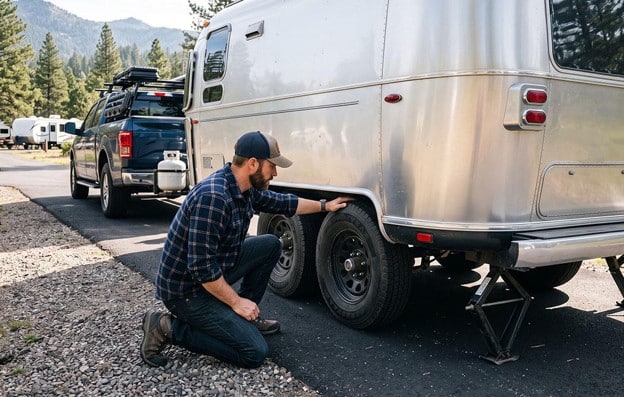
Overlooking trailer tires and their checks before the trip is one of the most common mistakes travelers make. A few minutes spent on them saves you from headaches, expenses, and injury, which is paramount on family adventures.
Trailer tire condition is crucial for stable towing. Keep them properly inflated and check whether they have enough tread. If the trailer has been sitting for a while, check the DOT code on the sidewall to determine how old the tires are. Tires age and deteriorate from within, even when remaining idle. Replace them if they’re too old or show visible damage such as cuts, cracks, or bulges. These are signs of tire failure waiting to happen.
Since the entirety of the trip lies on tires, don’t wait for them to fail mid-journey. Preventing possible issues is best done well ahead of the trip to ensure peace of mind.
Planning the Destination but Not the Journey
Obsessing over your campsite locations, attractions to visit, restaurants to enjoy, and immersive activities doesn’t leave much room to experience the road. It is, however, equally important as other parts of the journey.
Though the family might want to arrive as soon as possible, realistic expectations can put things in perspective. Longer trips take hours or days of travel, where patience is crucial, as is allocating time for rest, stretching, and extra places to visit. Rushing to the destination lets driver fatigue take over the wheel and get you into accidents.
Cross-country adventures also require more considerations than shorter trips. Routes play an important role on every journey. You need to organize your itinerary with different things in mind: fuel stops, traffic issues, inclement weather, road construction, unfamiliar roads, and paths unsuitable for towing.
All these factors can cause delays, which can be frustrating for everyone. However, some of the most memorable moments can happen on the road, making running behind schedule an insignificant thing. What matters the most is safety and enjoying every step of the journey, rather than arriving quickly at your destination.
Assuming Nothing Will Go Wrong
While nobody wants a roadside problem on their vacation, preparing for emergencies can help reduce issues and minimize their impact on the journey.
Having a backup plan or route to take because of traffic jams, landslides, or worsening weather can change the trip but still keep it on a good note. It also prevents stress buildup, letting you keep your head cool and focus on driving.
Getting stuck on the road and waiting for help is easier with emergency supplies. Water, snacks, blankets, proper road lighting, chargers, and batteries help in different ways. They help keep everyone safe while the assistance is on the way.
While trips can be without a hitch, it’s better to be prepared in case things go south. But don’t forget about your mindset. A minor delay can still result in a great trip. Staying positive helps you get the most out of your adventure, even if things go awry.
Conclusion
Mistakes while traveling happen. But they don’t have to mean the end of the world. An inconvenience today can be a fun story you tell tomorrow. It’s all about the mindset and staying positive. Staying in a sound mind despite adversity lets you barely notice the passing hardships on the road.
Of course, that doesn’t mean you should skip timely preparation, as it’s crucial for safe and memorable adventures. It prevents delays and enables you to spend more time at the beach, campsite, lake, or wherever you’ve set out on for your perfect vacation. By avoiding frequent mistakes, all that’s left is to enjoy the trip.
